







Search Results for: raise system

Manner's Raise Assessment Is as Hard as SCA Advanced Certification? Baristas Slam the Harsh System, Sparking Heated Debate
Recently, a netizen complained on social media that Manner Coffee's pay-raise assessment system is too strict, claiming that to earn the high salary advertised on its recruitment page, one must pass exams comparable in difficulty to SCA intermediate or even advanced barista certification, which resonated with many baristas. What kind of assessment threshold lies behind Manner's high pay? Compared with other brands, what makes its promotion system so difficult? This article takes you through it. [more…]

Luckin Coffee Quietly Raises Delivery Prices, Sparking Questions; Little Deer Tea Returns to the Store System in a New Form
After a long period of silence, Luckin Tea has recently returned to the public eye with a brand-new posture, but this time it did not appear as an independent brand. Instead, it has been reintegrated as a product line within Luckin Coffee stores. At the same time, without prior announcement, Luckin quietly raised the delivery drink prices at some stores by about 2 to 3 yuan, triggering widespread discussion among consumers on social platforms. The company responded that this move is a refined management measure based on differences in store operating costs, involving more than 800 stores in 11 cities. From an independent brand to a returning product series, from price adjustments to changes in operating strategy, what market considerations are revealed behind this series of moves by Luckin Coffee? [more…]
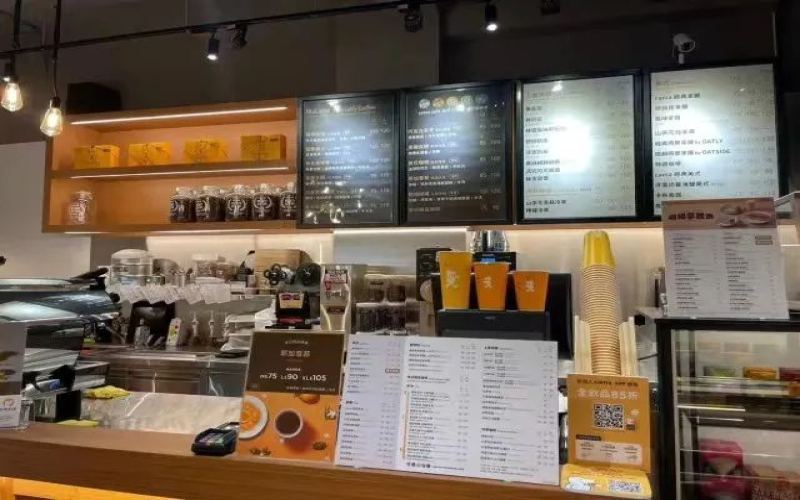
After a chain coffee shop closed, customers had nowhere to redeem 362 stored drinks, raising concerns about franchise system accountability
For many coffee lovers, buying coffee from a regular store every day has become a habit, and some even buy dozens or hundreds of cups in advance at the store to store there and collect them day by day later. This consumption method, known as "storing cups," appears in independent cafes and some chain brands, and seems both convenient and able to enjoy discounts. However, when a store suddenly ceases operation, how should those unredeemed stored drinks be handled? Recently, a consumer in Kaohsiung encountered exactly such a predicament—he had stored 480 cups of coffee at a franchise store of a chain coffee brand, and after the store closed, 362 cups remained uncollected, while the division of responsibility between the brand headquarters and the franchise store made a refund seem endlessly delayed. [more…]
Front Street Yirgacheffe Coffee Bean Flavor Analysis: A Comparison of Grading Systems, Washed and Natural Processing Methods, and Heirloom Variety Flavor Profiles
Yirgacheffe is one of Ethiopia's most representative specialty coffee regions, and its grading standards are not based on screen size, but rather on the proportion of defective beans in the green coffee. On the market, Washed G2 and Natural G3 are commonly seen, while G1 represents the batches with the lowest defect rate and the best quality, which can only be obtained through hand sorting. This time, Front Street Coffee brings two G1-level Yirgacheffes: one from the Kochere region under the Adulina company, fully washed, with the variety being the local native mixed Heirloom; the other from the Aricha Kochere processing station in the small town of Yirgacheffe, carefully crafted using the raised-bed natural method. The two beans each have their own characteristics, ranging from floral aromas and citric acidity to fermented fruit sweetness and vinous notes, showcasing the diverse flavor profile of Yirgacheffe. This article will provide a detailed interpretation of its grading logic, processing methods, variety characteristics, and actual cupping flavors. [more…]
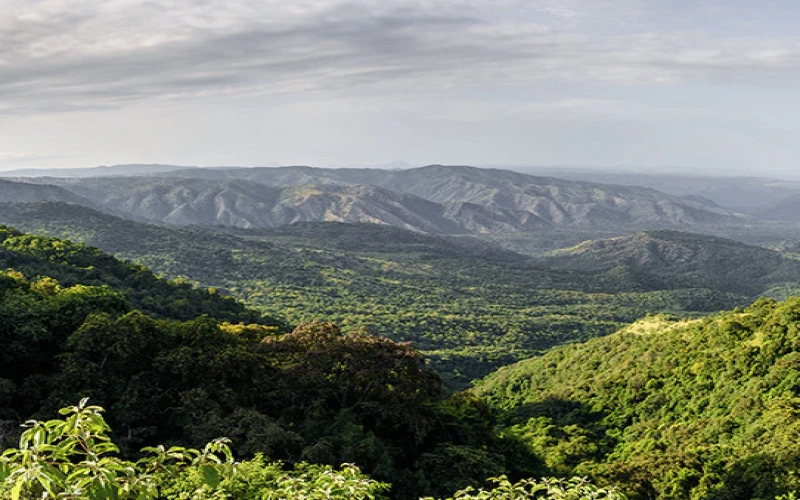
A Complete Guide to Ethiopia's Yirgacheffe Coffee Region: Washed Processing Flavor Characteristics and Pour-Over Parameter Guide
Yirgacheffe is a signature producing region for Ethiopian specialty coffee, sitting at an elevation of nearly 2,000 meters and renowned worldwide for its distinctive floral and citrus notes. This article systematically reviews Yirgacheffe's geographical environment, cultivation system, the flavor differences between washed and natural processing methods, and the green bean grading system. It also takes a deeper look at the background of two star cooperatives, Worka and Gedeb, and includes Front Street Coffee's roasting approach along with pour-over parameter recommendations, helping coffee enthusiasts gain a comprehensive understanding of what makes this region so captivating. [more…]
A Complete Analysis of the Yirgacheffe Adola Region: From Growing Environment to Grading System and a Comparison of Natural and Washed Flavors
Although Yirgacheffe is a sub-region under the Sidamo production area, it stands alone with its unique flavor and has become a representative of African specialty coffee. Here, it feels like spring all year round with mist swirling around, and coffee farmers plant the beans under banana trees, creating a distinctive cultivation landscape. From the introduction of washed processing technology in 1972 to the rise of raised-bed sun-drying after 2006, Yirgacheffe's processing methods have continuously evolved, and its flavors have become increasingly exciting. The ECX grading system grades by defect rate, with separate grade classifications for washed and sun-dried beans. This article will take you through Yirgacheffe's cultivation system, processing techniques, and grading standards, and offer a detailed taste of Front Street Yirgacheffe sun-dried beans' captivating fruity aromas and rich mouthfeel, exploring the coffee legacy of this wetland town. [more…]

Nepal raises coffee procurement prices to safeguard growers' income, with industry scale and exports growing in tandem.
Nepal's National Tea and Coffee Development Board recently announced an increase in the minimum purchase prices for coffee cherries and parchment beans, with hikes ranging from 5 to 30 rupees per kilogram, aiming to give growers a more reasonable profit margin. Under the new pricing system, Grade A cherries are priced at 100 rupees/kg and Grade B at 90 rupees/kg, which officials say ensures a profit margin of about 20%. As a landlocked country on the southern slopes of the Himalayas, Nepal started commercial coffee cultivation relatively late, but in recent years, with government support, its planted area and production have gradually recovered, and export volume has grown by more than 10% year-on-year. This article will sort out the details of this price adjustment, the history of coffee cultivation and the distribution of producing regions in Nepal, as well as the latest production, sales and export data. [more…]

Starbucks Rolls Out New Card Tipping Feature in North America, Creating Awkwardness for Both Baristas and Customers
Starbucks recently launched a new tipping feature in the North American market, allowing customers who pay by card to tip baristas at checkout. However, this move has sparked widespread dissatisfaction among baristas, who find it awkward to ask customers whether they want to leave a tip. As early as 2014, Starbucks had introduced an electronic tipping feature through its mobile app, but this latest rollout on in-store card payment terminals has once again pushed tipping culture into the spotlight. Customers are torn over whether to tip, and employees question whether the company should simply raise wages rather than rely on customer gratuities. This article will outline how the tipping system specifically works, the reactions from various parties, and Starbucks' official response and rollout plans, while also taking you through the history of its mobile payment tipping. [more…]
A Complete Guide to the Yirgacheffe Coffee Region: From Terroir to Washed and Natural Flavors and Pour-Over Parameters
Yirgacheffe is one of Ethiopia's most iconic specialty coffee regions, sitting at nearly 2,000 meters above sea level, where mist lingers year-round and the climate is mild and humid—a unique terroir that gives the coffee beans their alluring floral aroma and fruity acidity. This article will walk through the region's history, its growing environment, the flavor differences between washed and natural processing methods, the green bean grading system, notable cooperatives, and finally Front Street Coffee's roasting philosophy and pour-over parameter recommendations. By the end, you'll have a complete picture of Yirgacheffe coffee's core knowledge and a deeper understanding of what makes this region so captivating. [more…]

Ethiopia's Central Bank Narrows Foreign Exchange Bid-Ask Spread to 2%, Bringing Good News for Coffee Exporters
On October 15, the National Bank of Ethiopia introduced a new regulation capping the spread between the buying and selling rates for foreign exchange transactions at 2%, effective the following day. This marks another significant adjustment following the country's shift to a market-based exchange rate system in July of this year. Previously, the birr depreciated sharply, and the bid-ask spread at one point exceeded 10 birr, placing heavy pressure on exporters. The new policy requires banks to disclose all fees transparently, which is expected to reduce exchange losses for exporters and bodes well for major export commodities such as coffee. Nevertheless, Ethiopia still faces multiple challenges, including the conflict in Amhara region, the Red Sea blockade, and the port dispute with neighboring Somalia. [more…]
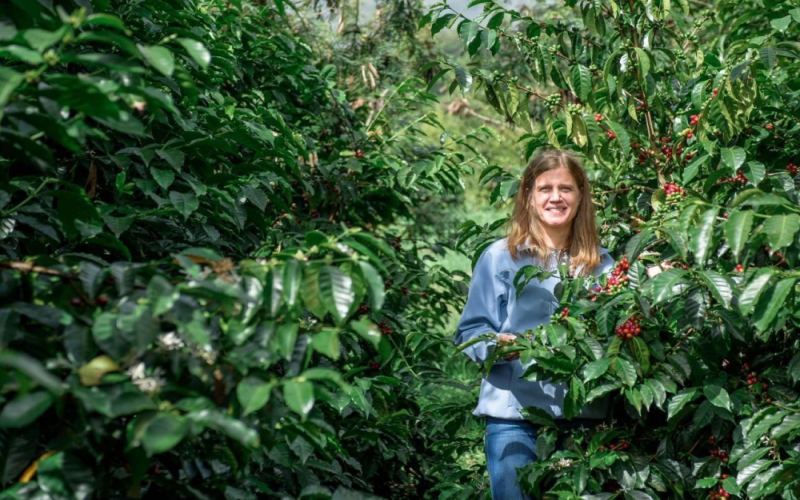
A Comprehensive Analysis of Geisha Coffee Origins and Varieties: From Ethiopian Beginnings to Panamanian Fame
Geisha is one of the most sought-after coffee varieties in the world today. From the wild forests of Ethiopia to the high-altitude estates of Panama, it has won over countless coffee lovers with its distinctive floral aromatics and complex fruit notes. This article will take you through the discovery and spread of Geisha, explore its demanding growing conditions, and offer an in-depth comparison of the flavor differences between the two representative producing regions, Panama and Ethiopia. We will also introduce Hacienda La Esmeralda's plot management system, the grading system of Gesha Village, and Front Street Coffee's recommended Geisha brewing parameters and flavor descriptions, providing a comprehensive reference for your Geisha tasting journey. [more…]
A Comprehensive Guide to Global Organic Tea Certification Systems: Differences Among EU, US, Japan and Other Standards, and Buying Tips
The core difference between organic tea and conventional tea lies in whether it has been certified by an authoritative body. EU organic regulations prohibit genetic modification and synthetic inputs, and require animals to be raised in ways that suit their species characteristics, and are regarded as the strictest threshold in the tea industry. Certifications such as Switzerland's IMO, France's Ecocert, the US USDA, Japan's JAS, India's, Canada's, China's, Australia's, and Germany's Naturland each have different emphases, with significant differences in scope of application and difficulty of obtaining them. Rainforest Alliance, UTZ, FDA, and HACCP provide supplementary assurances from the perspectives of sustainable agriculture and food safety. This article systematically sorts out the rules, authority, and market applicability of major certifications, helping coffee and tea lovers accurately identify the true meaning behind labels when making purchases. [more…]

Starbucks China Releases 2025 Strategic Blueprint: Stores to Expand to 9,000, Employee Compensation System to Be Upgraded
On September 14, Starbucks China officially announced its 2025 China Strategic Vision, planning to comprehensively accelerate development over the next three years with the help of six major growth engines. The blueprint covers multiple dimensions, including store network expansion, promotion of the green store certification system, digital membership upgrades, localized new product development, and employee salary increases. According to the plan, by 2025 Starbucks China's total number of stores will climb to 9,000, its workforce will grow to 95,000, and doubling targets have been set for both net revenue and operating profit. At the same time, the Starbucks Coffee Innovation Park will also begin production in the summer of 2023, completing the localization layout of the entire industry chain. In the face of fierce competition from local brands such as Luckin, whether this strategy can help Starbucks consolidate its market position is worth continued attention. [more…]
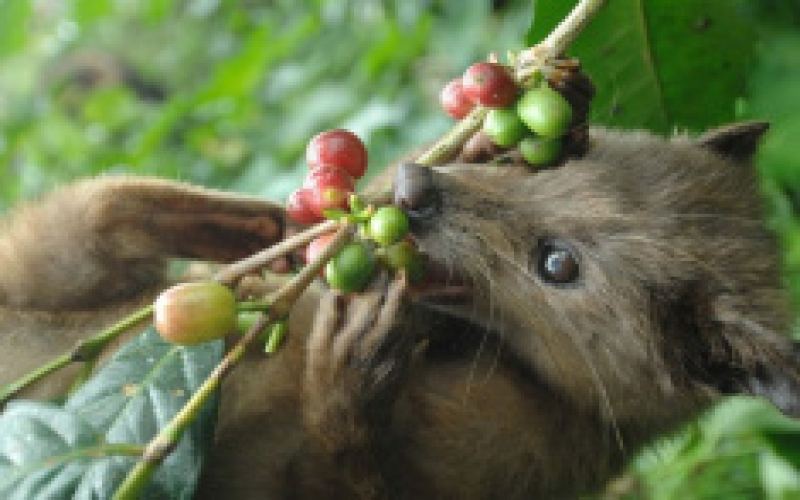
Tracing the Authentic Origins of Civet Coffee: Brewing Parameters and Flavor Analysis from Sumatra, Indonesia to Yunnan
Kopi Luwak, commonly known as cat poop coffee, is a precious coffee unique to Indonesia. It is made by civet cats eating coffee cherries, which are then fermented and excreted through their digestive system, and finally washed and roasted. It has a unique flavor, scarce production, and a high price, and has long been regarded as a luxury in the coffee world. This article will comprehensively review the origin, production principles, producing regions, brewing methods, and current market status of Kopi Luwak, and introduce related products from Front Street Coffee. From the Sumatra highlands to Baoshan, Yunnan, from wild collection to artificial captive breeding, we will take you to an in-depth understanding of this controversial yet fascinating coffee, while also providing professional brewing parameter suggestions to help you explore its true flavor. [more…]

Mixue Ice Cream & Tea's airport store raises prices by just one yuan: analyzing the supply chain logic behind its affordable strategy.
Recently, a netizen noticed while waiting for a flight at the airport that the Mixue Bingcheng store had a continuous stream of people lining up to pick up their orders. Upon closer inspection of the menu, the drink prices were only one yuan higher than those at city center locations. At transportation hubs like airports and high-speed rail stations, food and beverage prices are typically much higher than in urban areas, and Mixue Bingcheng's pricing strategy has sparked widespread discussion. Many consumers have shared their experiences at scenic spots and even overseas stores, discovering that Mixue Bingcheng maintains nearly uniform pricing. What business logic lies behind this seemingly "unprofitable" approach? This article will analyze the real reasons why Mixue Bingcheng can maintain its affordable strategy from the perspectives of brand positioning, supply chain system, and revenue structure. [more…]
A Comprehensive Analysis of the Origin, Grading System, and Flavor of Ethiopian Gesha Village Gesha Coffee Beans
Geisha coffee is now world-renowned, and many people first think of Hacienda La Esmeralda in Panama, but the roots of this legendary variety actually lie in the Gesha Mountains of Ethiopia. This article will take you into Gesha Village Coffee Estate to learn about its founding story, its unique grading system (auction, gold, red, green, and Chaka lots), and the origins and characteristics of the three varieties: Gori Gesha, Gesha 1931, and Illubabor. Front Street Coffee will also share the estate information, processing methods, and flavor descriptions of its in-store Gesha Village Gold, Red, and Chaka coffee beans, along with roast analysis and pour-over parameters, for coffee lovers' reference. [more…]

Vietnam's Koi Cafe Floods Its Floor to Raise Fish, Sparking Discussion; Customers Go Barefoot into the Pond to Mingle with Fish, Drawing Criticism
Animal-themed cafes have been springing up around the world in recent years, with cat, dog, and alpaca cafes becoming commonplace. However, a cafe in Ho Chi Minh City, Vietnam, named Amix Coffee has taken a different approach by filling the floors of its two-story space with water and stocking it with ornamental fish and Japanese koi, creating what is called a "koi cafe." Customers must take off their shoes and wash their feet before entering the pool to interact with the fish up close. While this idea is eye-catching, it has also sparked heated debates over animal welfare, hygiene, and safety. Some netizens criticized the practice as inhumane, saying it could crush the fish to death or spread disease. Meanwhile, South Korea has announced a ban on exhibiting wild animals outside of zoos, bringing the boundary issues of animal-themed cafes back into the public eye. [more…]
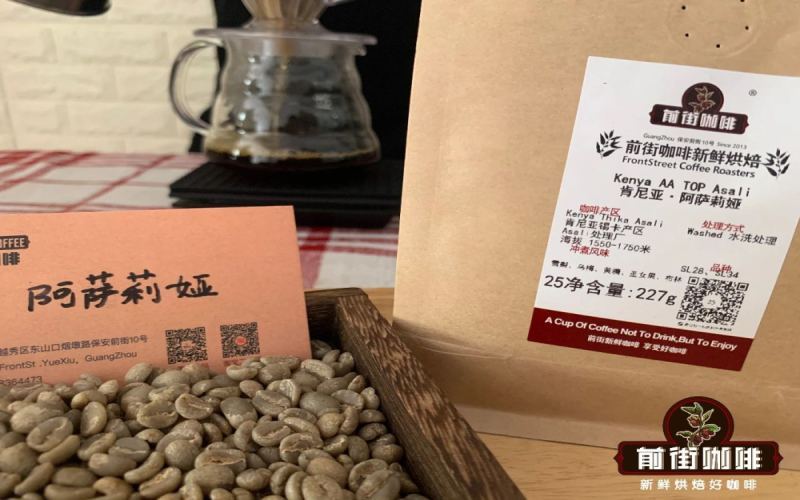
Complete Guide to Kenyan Coffee: Six Major Regions, AA Grading System, SL28/SL34 Varieties, and Pour-Over Parameter Guide
Kenyan coffee is world-renowned for its bright fruit acidity and full-bodied berry juice sensation, standing as a representative of high-acidity specialty coffee. This article systematically reviews the growing conditions and geographical environment of Kenyan coffee, introducing one by one the altitude, varieties, and flavor characteristics of six major producing regions: Thika, Kirinyaga, the western side of Mount Kenya, Nyeri, Kiambu, and Murang'a. It provides a detailed explanation of the coffee bean grading system from AA to PB, as well as the auction and direct trade systems. It offers an in-depth analysis of the varietal origins of SL28, SL34, and Ruiru 11, and fully breaks down the fermentation process of Kenya's 72-hour washed processing method (K72). At the end of the article, Front Street Coffee's roasting approach and V60 pour-over parameter suggestions for the small tomato coffee beans from the Thika region are included, for coffee enthusiasts to reference and practice. [more…]

Manner membership points reset every two years and redemption thresholds have increased, leaving loyal customers complaining that accumulating points is as pointless as a chicken rib
Recently, Manner's official mini-program quietly updated its membership points rules. Starting in 2025, consumption points will be cleared every two years, and existing points accumulated before 2025 will also be reset to zero by the end of that year. As soon as the news broke, many long-time members were taken aback. What's even more frustrating is that the redemption thresholds for some items in the points mall have been raised at the same time—a stainless steel straw cup that once cost 120 points to redeem now requires 220 points. With a single acquisition channel, a long points-accumulation cycle, and no membership tier system, the combination of these problems has left many regulars lamenting that their points are too tasteless to bother with yet too wasteful to discard, and some have even begun to think about switching to other brands. [more…]
A Complete Guide to Espresso: From Boiler Systems to Milk Frothing and Latte Art — Professional Fundamentals
Want to systematically master the underlying logic of espresso? This article provides a complete overview of the core knowledge system of espresso, from equipment principles to practical details. It first deeply analyzes the differences between four types of boiler heating systems and their impact on extraction stability, then explains one by one the selection of steam wands, the structure of grinder burrs, the matching principles of tampers, and key points for choosing latte art pitchers. In the materials section, it focuses on comparing the roasting differences between Northern and Southern Italian-style coffee beans and the logic for selecting suitable milk. Finally, it focuses on the five major variables of extraction and the six factors of milk frothing, and explains in detail the techniques for integrating coffee and milk foam. The full text balances theoretical depth with operational guidance, making it suitable for coffee enthusiasts who want to solidify their foundations to read carefully. [more…]